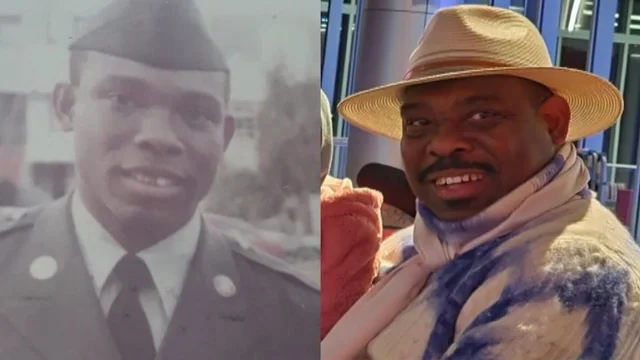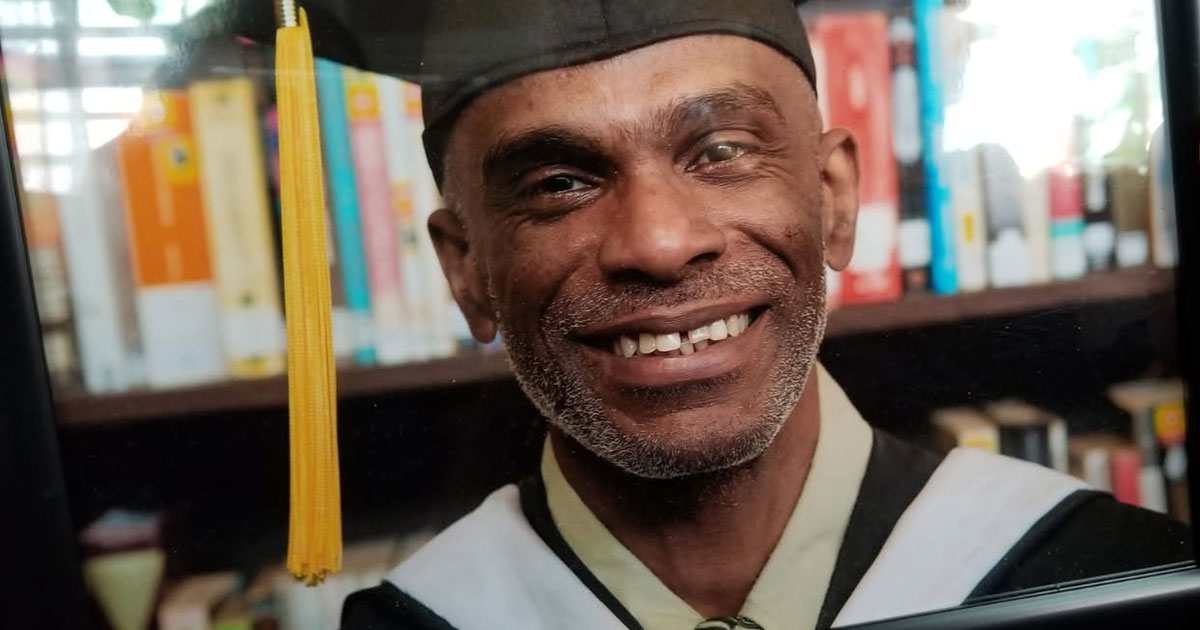

Meet Junior Alves.
A 64-year-old Jamaican pastor who spent 44 years living in the United States, raising a family, running a business, and helping people in his community.
But in January 2026, his entire life took an unexpected turn.
He was arrested by American immigration officers, detained for several months, and eventually placed on an aircraft bound for a country in Africa where he had never lived.
Not Jamaica, the country where he was born.
Not America, the country where his wife, children, and grandchildren were waiting for him.
But Eswatini, a small kingdom in southern Africa, where he would eventually find himself inside a maximum-security prison.
And what makes this story particularly unusual is that Junior reportedly had a court-approved protection preventing his deportation to Jamaica because of concerns about his safety.
So how did a Jamaican pastor, who had spent most of his adult life in America, end up imprisoned thousands of miles away from his family?
Well, his story begins back in 1982.
Junior Alves migrated from Jamaica to the United States and eventually settled in Florida.
Over the next four decades, he established a life that revolved around his family, business, church, and community.
Junior is the father of eight children and has 11 grandchildren, all reportedly born in America.
He and his wife also operated a transportation business and were preparing to open another office.
But perhaps what Junior takes the greatest pride in is his work as a Christian pastor.
According to an interview he gave to the Jamaica Observer, he regularly helped feed hundreds of homeless people on Saturdays, assisted people who were unemployed, and supported vulnerable members of his community.
For years, America had been the centre of his entire life.
However, Junior also had a complicated immigration history.
He told journalists that he had previously faced deportation orders. He also acknowledged past arrests involving drug allegations when he was younger, although his family maintains that he had no criminal convictions in the United States.
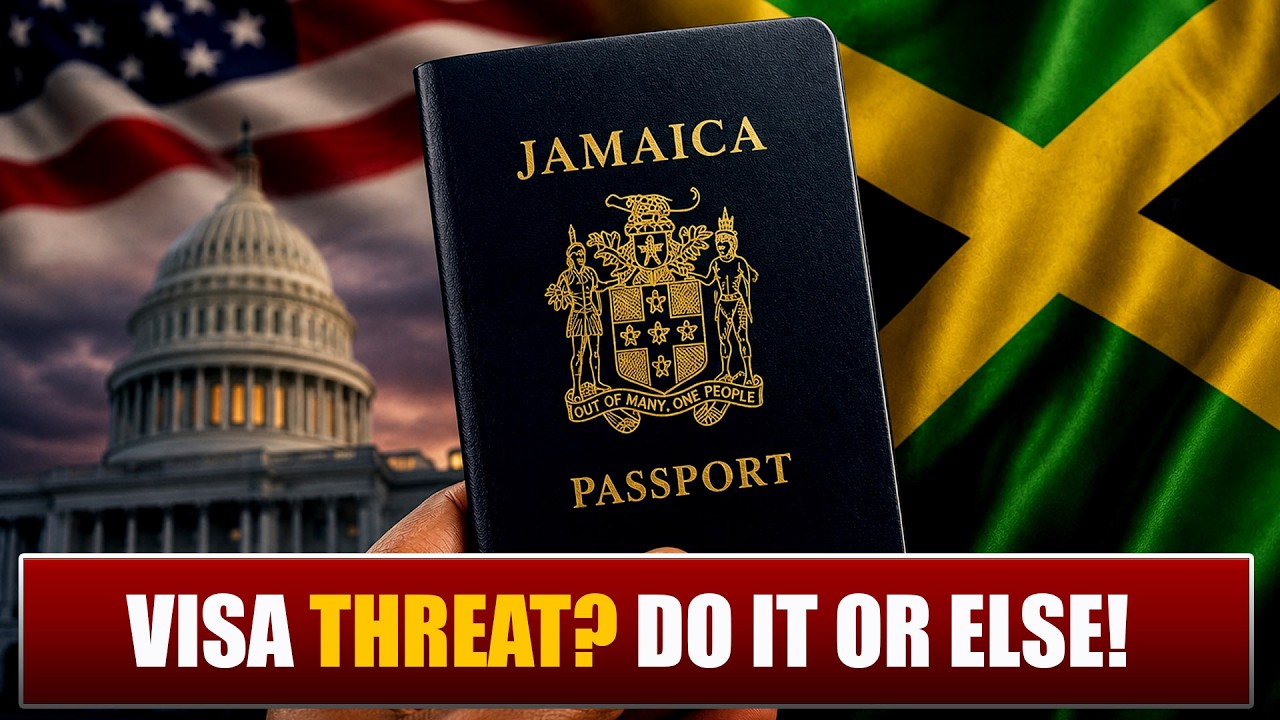
In 2016, his attorneys successfully obtained protection under the Convention Against Torture.
Essentially, this meant that American authorities could not deport him to Jamaica while the protection remained in effect, because an immigration court had recognized concerns that he could face torture if returned there.
But there’s something important to understand.
This protection did not make Junior an American citizen or give him permanent legal status.
It protected him from being sent to the country where the court determined he faced a serious risk.
For several years afterward, Junior continued living in America under immigration supervision.
He was required to report to immigration authorities periodically.
And according to his account, he complied with those requirements.
But on January 11, 2026, everything changed.
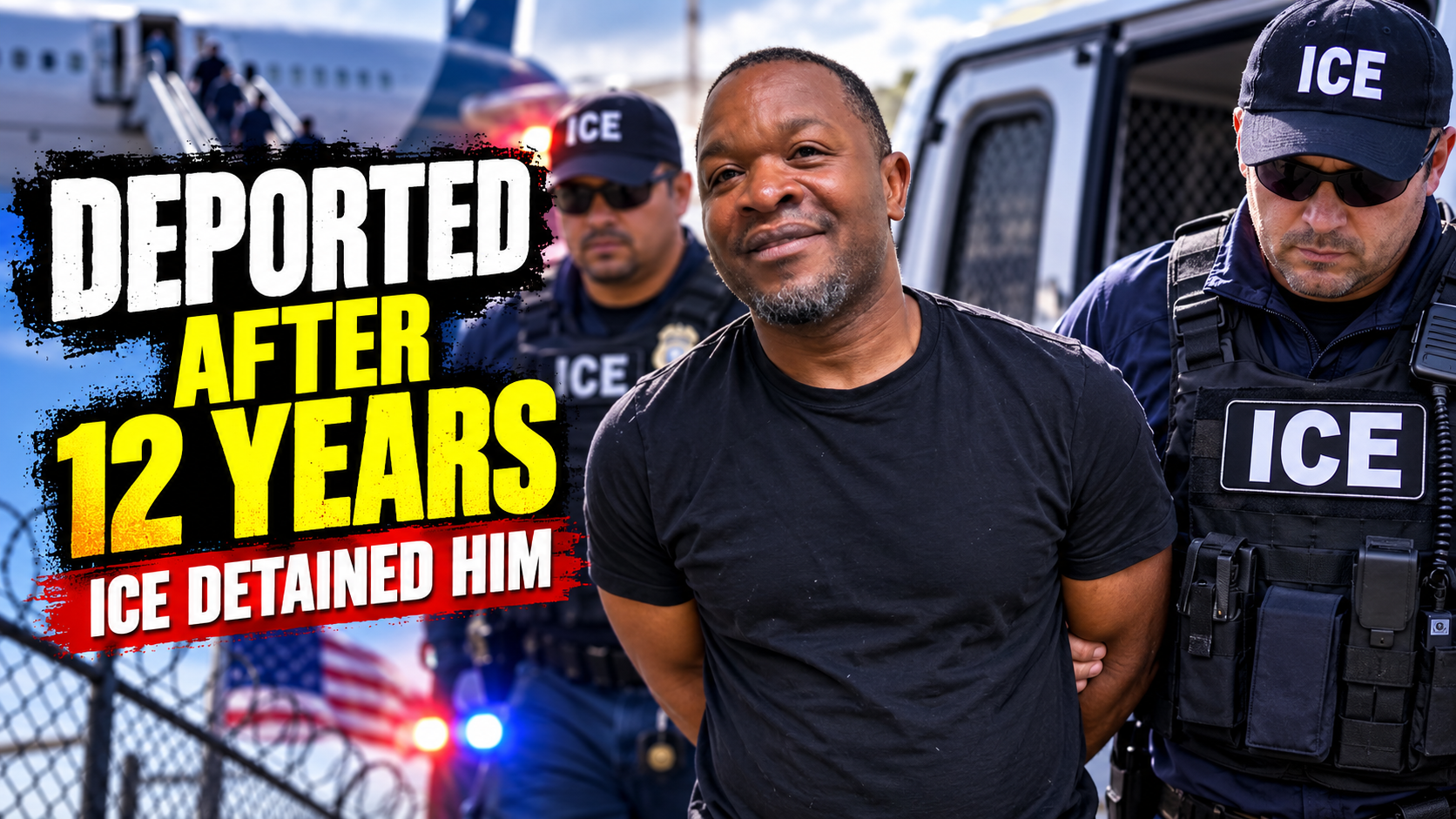
Junior says he was walking through a churchyard near his home in Florida, on his way to a nearby shop, when officers from Immigration and Customs Enforcement approached him.
They informed him that he was wanted.
Confused, Junior questioned why he was being arrested.
He explained that he was a pastor, a community leader, and someone who had already received legal protection from deportation to Jamaica.
But despite his objections, he was taken into custody.
Junior was initially held at an immigration detention facility in Miramar, Florida.
He was later transferred to another detention centre, which he described as an extremely difficult place to endure.
Meanwhile, his family was left trying to understand what would happen next.
His lawyers were fighting his detention, and Junior says he had been told that a judge had ruled in favour of his release.
But instead of returning home to his family, he was informed that he would be transported to Africa.
According to Junior, immigration officers presented him with documents to sign.
He refused.
He says he questioned how authorities could send him to a country he knew nothing about.
But his objections did not change the outcome.
In July 2026, approximately six months after his arrest, Junior was placed on an aircraft alongside ten other deportees.
Their destination was Eswatini.
And this is where the situation became even more frightening.
According to Junior, the flight lasted approximately 18 to 19 hours.
When the aircraft finally landed, the men were met by heavily armed security personnel.
They were taken from the airport to a maximum-security correctional facility.
Imagine that for a moment.
A man who spent more than four decades building his life in America, with eight children and eleven grandchildren, suddenly finds himself locked inside a prison in an African country where he has no family or personal connections.
And according to his attorneys, he had not been convicted of any new crime that would explain his imprisonment in Eswatini.
Speaking from detention, Junior compared the experience to slavery, describing the distress of being transported against his wishes to a country where he had no established ties.
His comments reflected the fear and frustration he was experiencing.
But Junior wasn’t the only person facing this situation.
The United States had entered an agreement with Eswatini allowing certain deportees to be transferred there, even if they were not citizens of that country.
Reports indicated that the African kingdom was receiving millions of dollars from the American government under this arrangement.
American officials have defended third-country deportations as part of their immigration enforcement strategy.
But immigration attorneys and human-rights organizations have questioned whether the arrangement provides adequate legal protection for the people being transferred.
And in Junior’s case, there was another major issue.
He had already received protection against being deported to Jamaica.
So while American authorities were pursuing his removal, his attorneys questioned whether sending him to a third country was being used to get around that protection.
As the story attracted international attention, the Jamaican government became involved.
Jamaica’s foreign affairs ministry established contact with two Jamaican nationals being held in Eswatini, including Junior Alves.
Officials informed the men that Jamaica was prepared to help facilitate their return home.
But Junior and another Jamaican detainee reportedly declined the offer.
And the reason was simple.
They wanted to return to their families in the United States.
For Junior, this was the country where he had spent 44 years of his life.
His wife was there.
His children and grandchildren were there.
His business, church, and community were there.
Returning to Jamaica would mean beginning an entirely new life at 64 years old, while remaining separated from almost everyone closest to him.
But the Jamaican government also explained that it could not guarantee the men’s return to America.
That decision would ultimately involve American immigration authorities and the courts.
And as the months passed, Junior remained in detention.
In September, international journalists were still reporting on his imprisonment in Eswatini.
Now, this story raises some very serious questions.
There’s no question that countries have the authority to enforce their immigration laws and remove individuals who are legally subject to deportation.
But what happens when someone has already received legal protection against being returned to their home country?
Should that person then be transferred to an entirely different country, where they may face another period of detention?
And perhaps more importantly, what responsibility should governments have toward people who have spent decades building families and communities within their borders?
Junior Alves left Jamaica more than 40 years ago.
He built a family in America, established a business, and spent years providing assistance to people in his community.
But today, his future remains uncertain.
His legal team continues to challenge the circumstances of his removal, while his family hopes that one day he will be allowed to return.
And I want to ask everyone watching this story something.
Do you believe the United States was justified in sending Junior Alves to a maximum-security prison in Africa, despite the legal protection he previously received?
Or should his case have been handled differently?
And if Jamaica was prepared to accept him, do you believe that should have been enough to resolve the situation?
Share your thoughts in the comment section below.
My name is Mike, reporting for Jamaica Digest.
If you appreciate these stories about Jamaicans at home and abroad, remember to like this video, subscribe to the channel, and share this story with your friends and family.
For more Jamaican news and updates, visit JaRadio.com.
Until next time, stay safe, and thanks for watching.