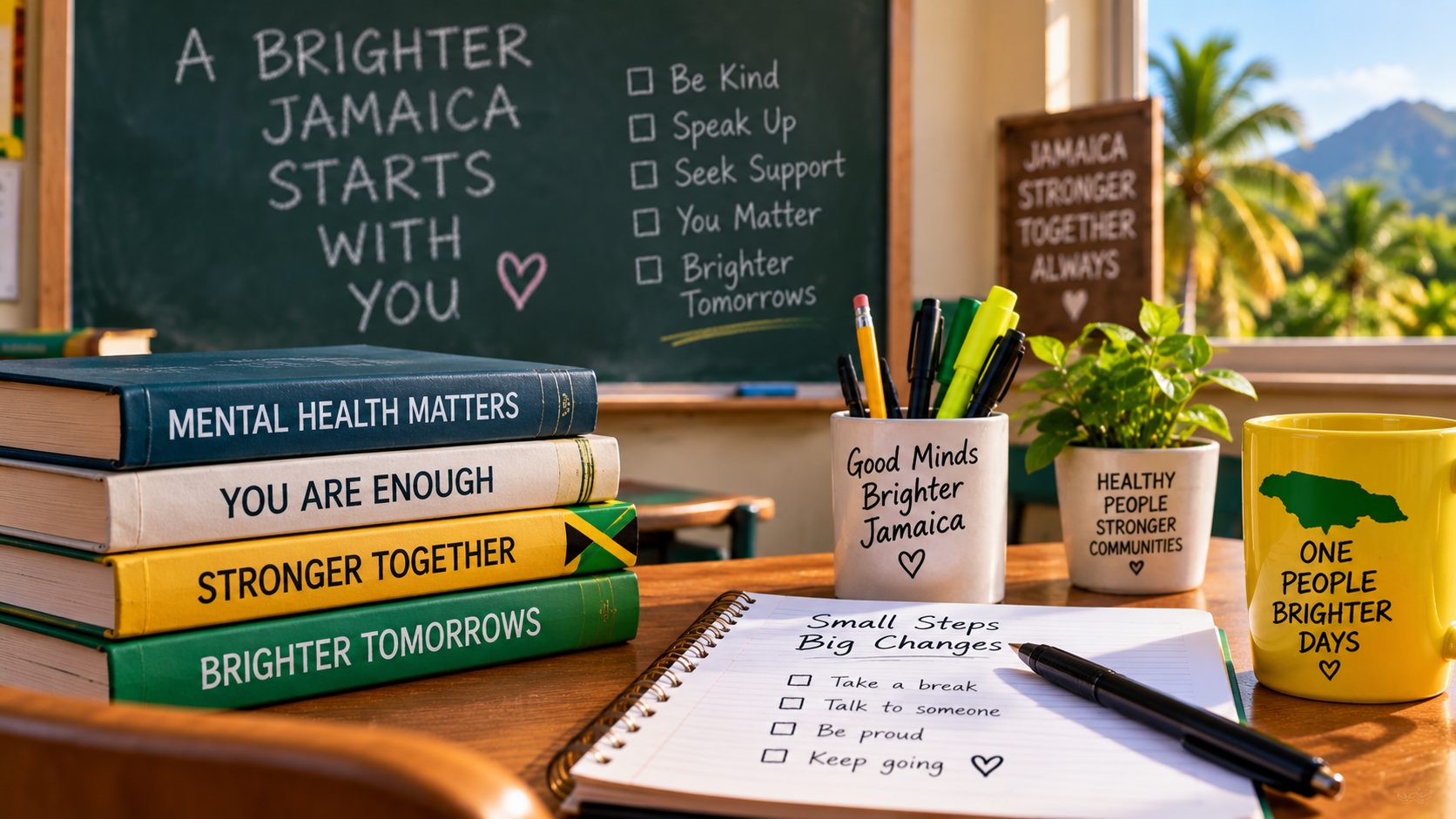
A new report on the emotional well-being of Jamaican students is prompting difficult but necessary questions about the support available to children in the country’s schools.
According to The Sunday Gleaner, findings from a 2026 National Council on Drug Abuse study point to significant levels of emotional distress and self-harm risk among some secondary-school students.
The report highlights one rural high school where almost an entire Grade 7 class was reportedly receiving counselling for thoughts of self-harm. The wider findings have renewed concern about the pressures children are experiencing and whether Jamaica’s school counselling system has enough resources to respond.
This is not an issue that should be reduced to sensational headlines or used to label an entire generation. Survey findings describe patterns within a group of students; they do not mean every Jamaican teenager is in crisis.
But the numbers do suggest that emotional distress among young people deserves serious attention from parents, schools, health professionals and policymakers.
Students today are dealing with academic pressure, family difficulties, social-media exposure, bullying, economic uncertainty and other challenges that can overlap in complicated ways. Schools are often among the first places where warning signs become visible, making counsellors, teachers and referral systems critically important.
The public conversation should now focus on solutions: whether schools have enough trained counsellors, whether children can access services without stigma, how quickly high-risk cases are referred for professional care and how parents can be supported in recognising warning signs.
Jamaica has spent years debating school performance and examination results. This report is a reminder that educational success also depends on whether students feel safe, supported and emotionally able to learn.
Source: Jamaica Gleaner, September 6, 2026.