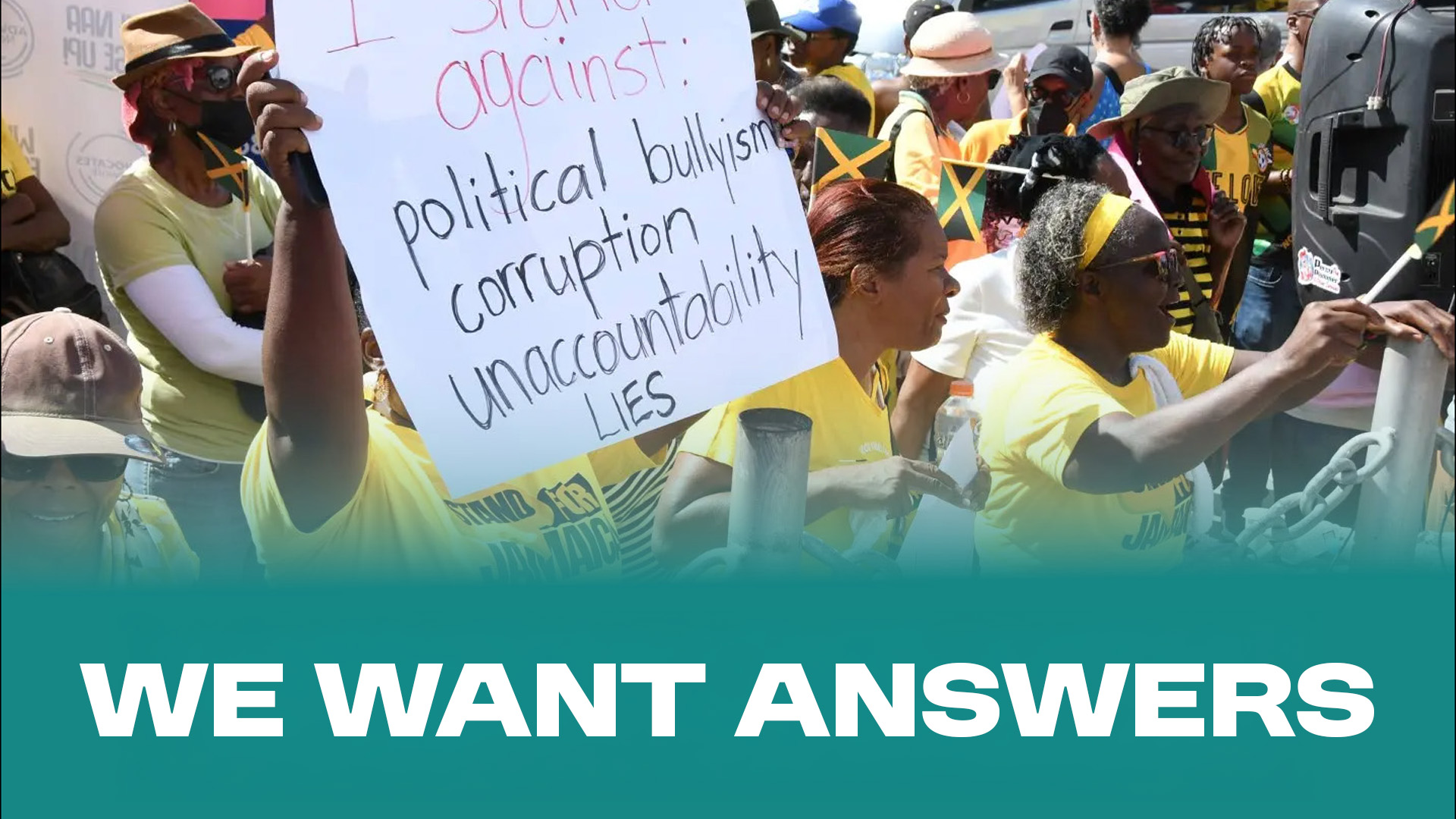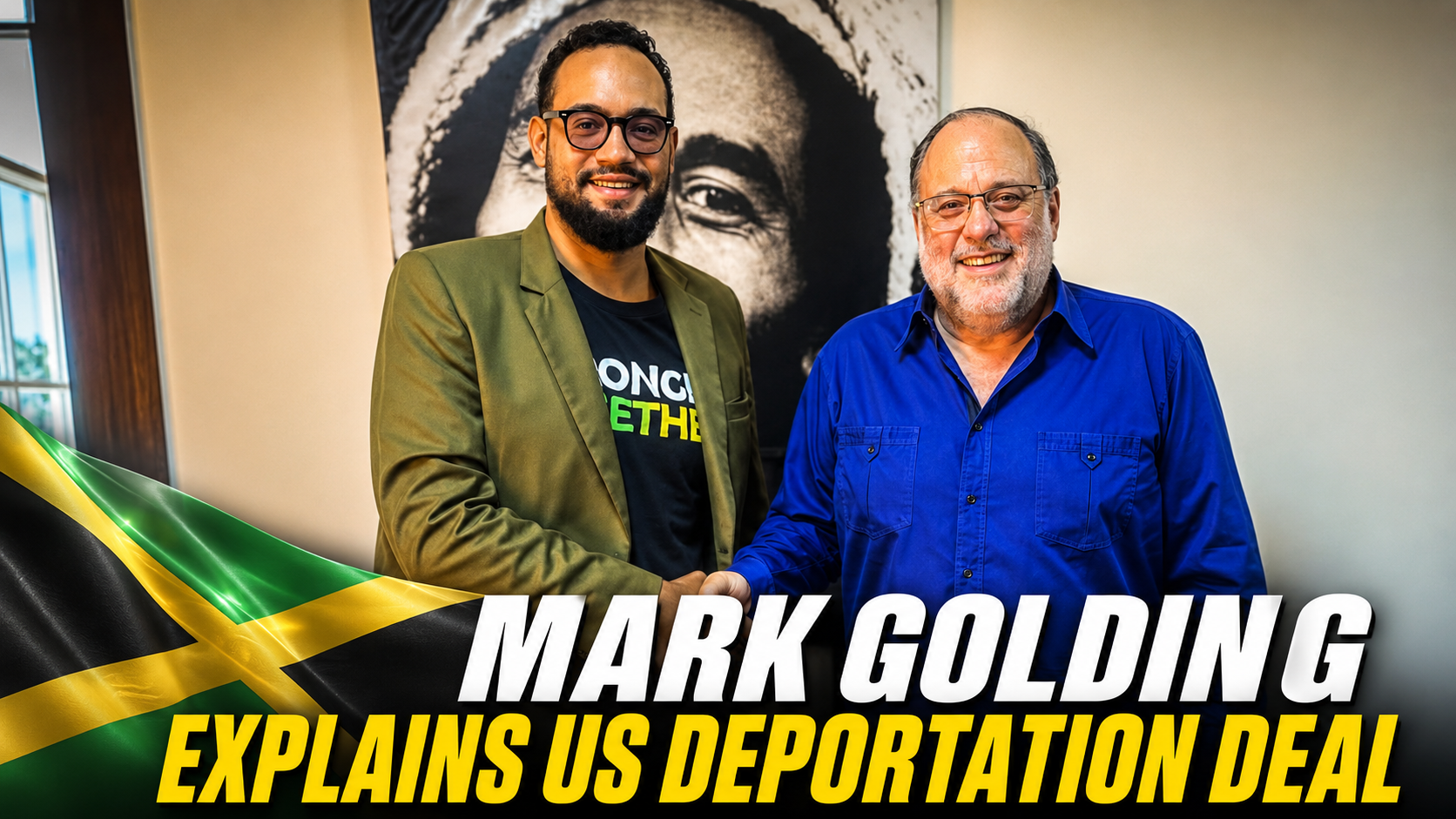

Opposition Leader Mark Golding joined protesters in Cross Roads, St Andrew, as public concern grows over the Jamaican Government’s agreement with the United States to accept Third Country Nationals, also known as TCNs.
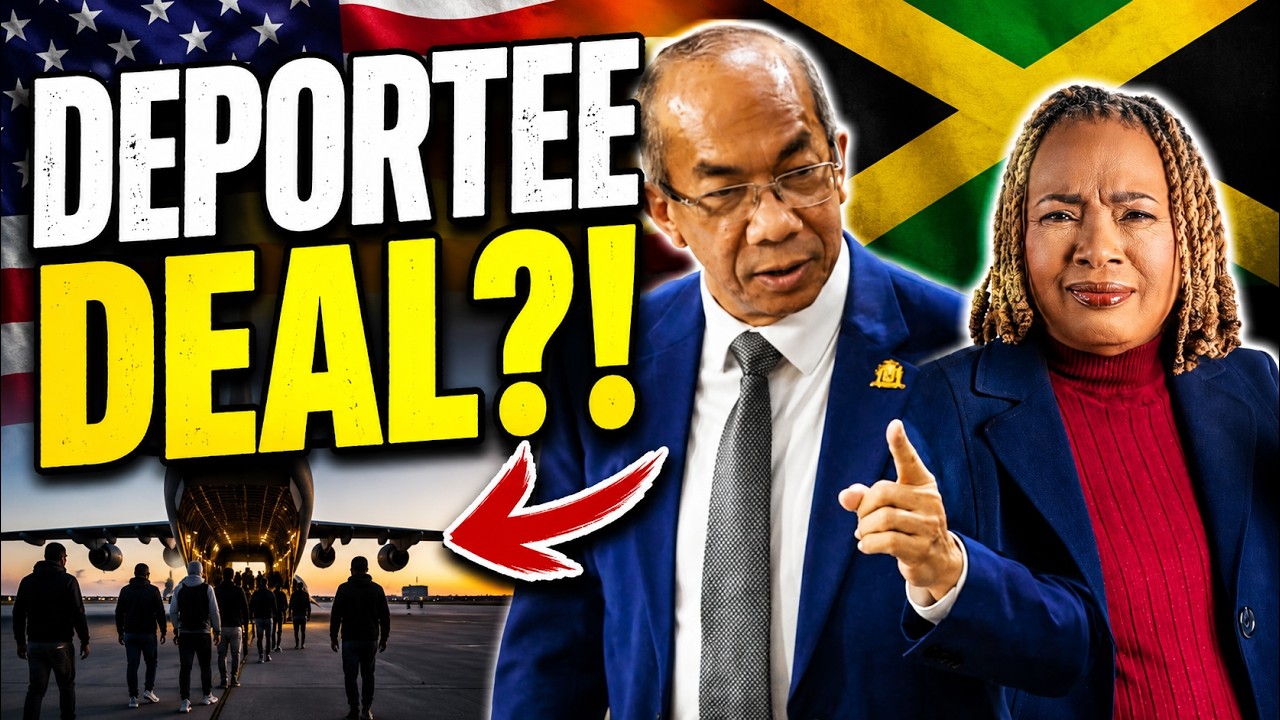
Golding said he attended the demonstration to support civil society groups who were raising concerns about transparency, governance, and the way the Holness administration has handled the TCN issue. The agreement, confirmed by the Government, would allow up to 25 non-Jamaican nationals every two weeks to pass through Jamaica on their way to a third country or their home country. The Government has said the individuals are not being brought in as permanent migrants and that Jamaica can refuse anyone proposed for transfer. Jamaica Information Service
But Golding questioned why Jamaica would enter such an arrangement while legal questions remain around the wider U.S. third-country deportation policy. He argued that the deal appears to offer no clear benefit to Jamaica and claimed the public only learned about it because details were leaked to the media.
The protest in Cross Roads was not only about the TCN agreement. Demonstrators also raised concerns about corruption, governance, Hurricane Melissa funds, and the continued presence of Dr Andrew Wheatley in Cabinet after an Integrity Commission report recommended corruption-related charges against him. The Gleaner
Golding said the standard expectation in such a situation is for a minister to step back until the matter is resolved. He also suggested Prime Minister Andrew Holness’ continued confidence in Wheatley reflects poorly on his judgment.
So, is Golding standing up for the Jamaican people, or using the moment to hit the JLP politically?
The answer may depend on who is watching. On one hand, the concerns he raised are not imaginary. The TCN agreement has sparked real questions about transparency, national security, and whether Jamaica is being placed in the middle of a controversial U.S. immigration policy. On the other hand, Golding is also the leader of the opposition, and every major controversy facing the government naturally becomes political ammunition.
What is clear is that the protest gave Golding an opening to connect several issues under one message: trust in government. Whether Jamaicans see that as principled leadership or political strategy will likely depend on whether he can keep the focus on facts, accountability, and public interest rather than simply turning the controversy into another PNP vs JLP fight.