
Mark Golding Raises Alarm Over Reported U.S.-Jamaica Deportation Arrangement
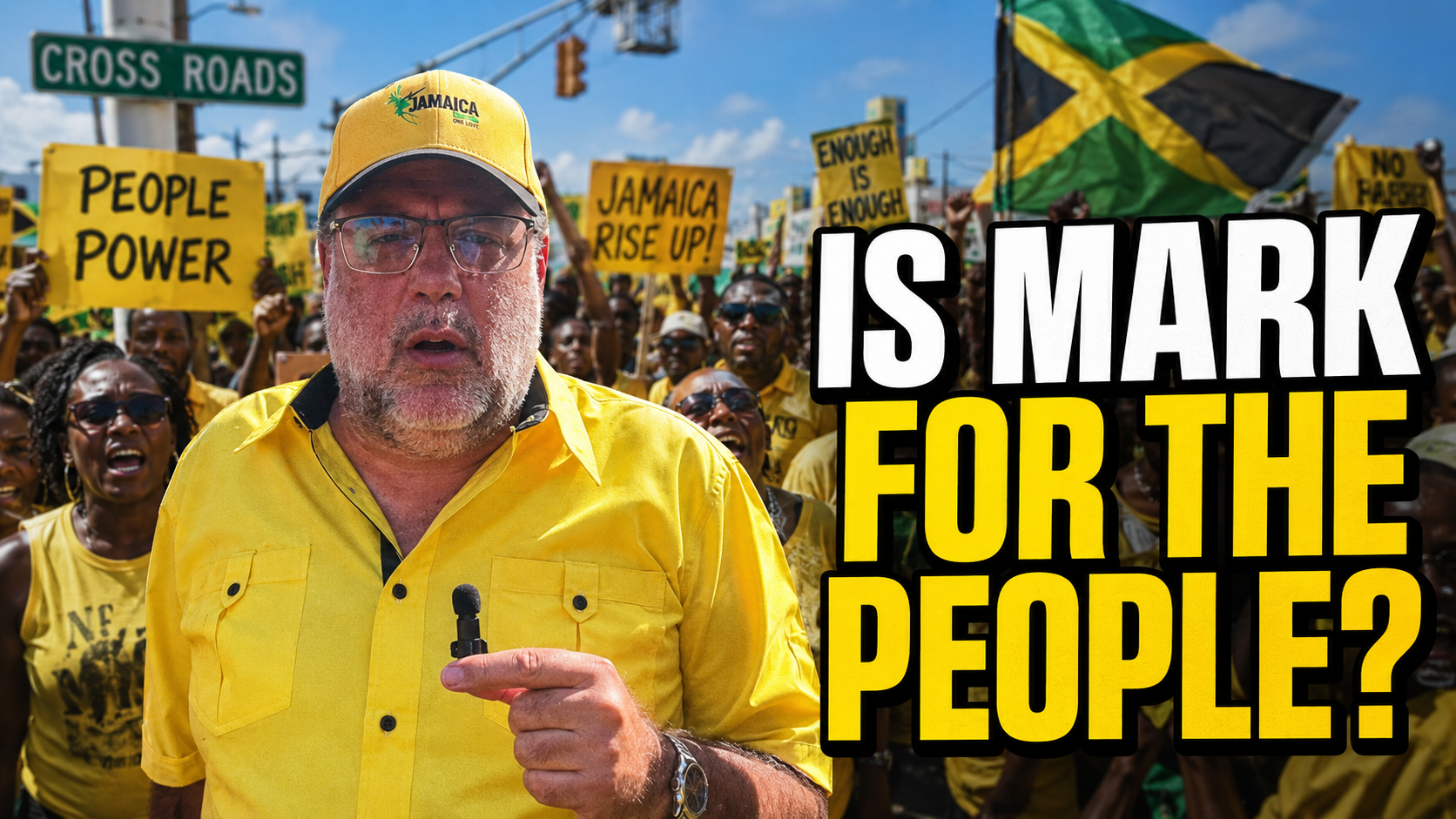
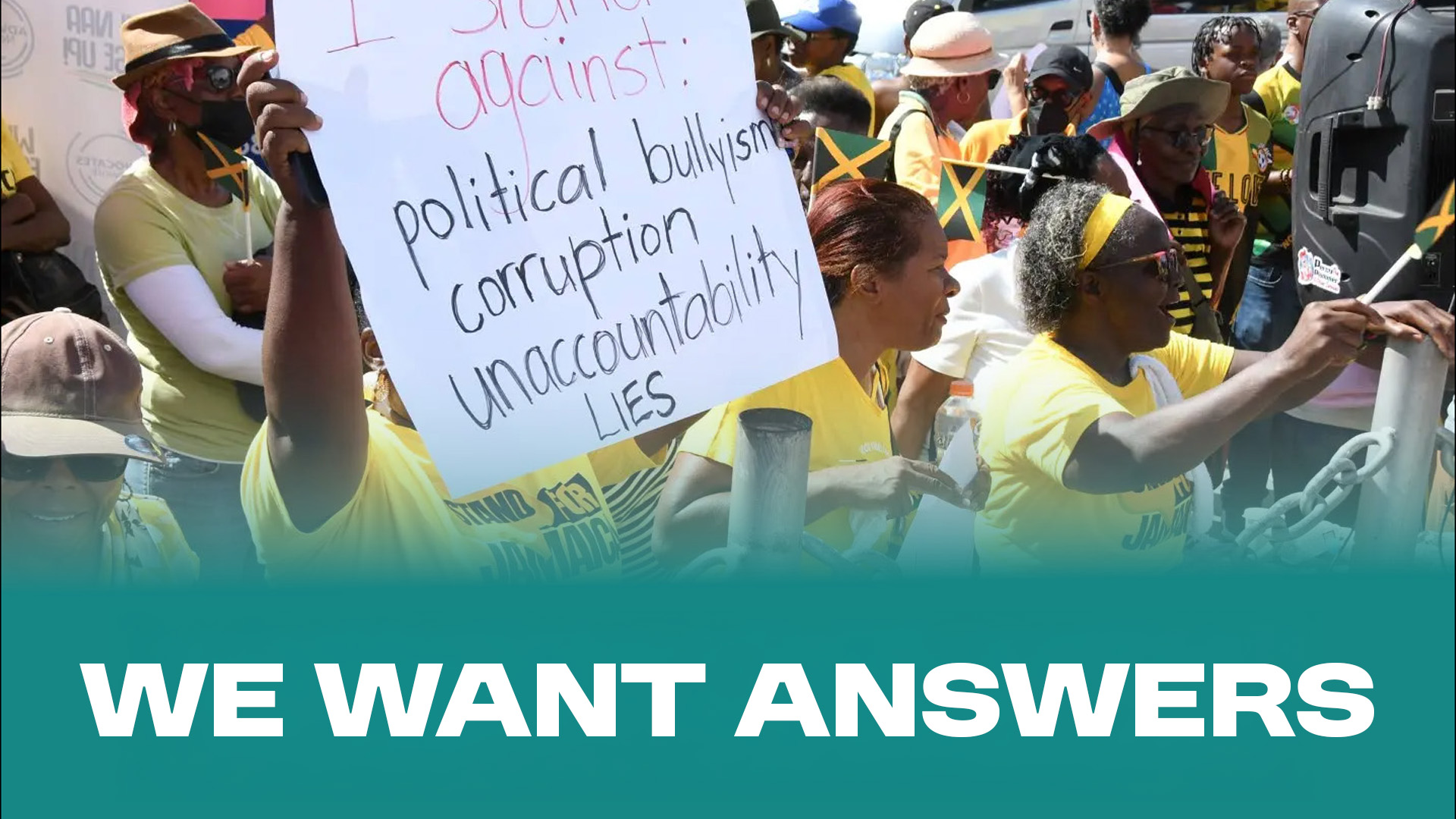
Opposition Leader and People’s National Party President Mark J. Golding is raising serious concerns over a reported memorandum of understanding between the Jamaican Government and the United States that could allow third-country nationals to be sent to Jamaica.
Speaking in an interview with 1 Clause, also known as Ruben Hussy, Golding said the issue is one of national importance and should not have reached the public through a media leak. He argued that Jamaicans deserve clear answers about what was signed, who initiated the arrangement, and what risks the country may now be taking on.
According to Golding, the reported agreement would allow the United States to send individuals to Jamaica who are not Jamaican citizens. He described this as fundamentally different from the normal process of Jamaica receiving its own nationals who are deported from other countries.
Golding said Jamaica has an obligation to accept Jamaican citizens, but accepting people who have “nothing to do with Jamaica” is a completely different matter.
A major concern raised in the interview was the secrecy surrounding the arrangement. Golding noted that the public only became aware of the issue after The Gleaner reportedly obtained a copy of the memorandum of understanding.
He also pointed to conflicting explanations from government officials and media reports. Golding said National Security Minister Dr. Horace Chang told Parliament that the arrangement came from a request by the United States and that there were no benefits, threats, or inducements attached.
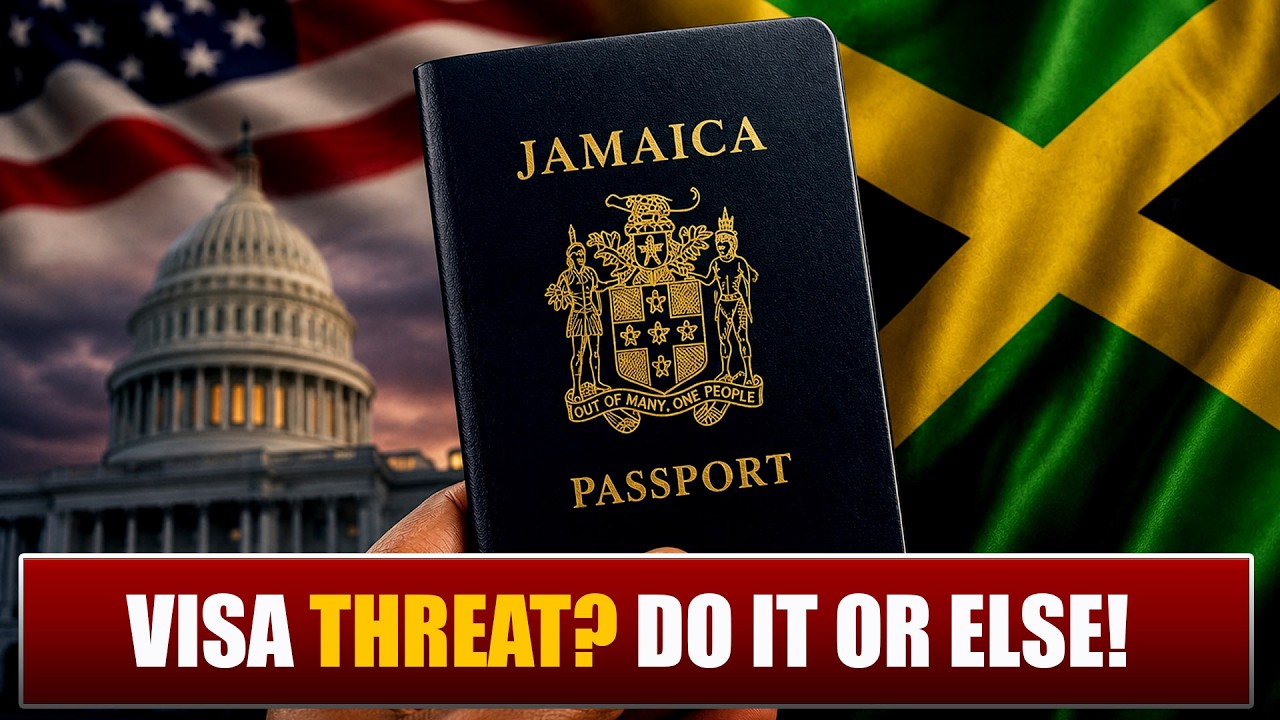
However, Golding said a reported diplomatic note suggested that a Jamaican government minister, Senator Audrey Marks, may have raised the possibility of such an arrangement with U.S. officials at a security conference in Florida. He also referenced reports that U.S. officials may have threatened visa consequences for Jamaicans if the arrangement was not accepted.
Golding said those conflicting accounts make it difficult for the public to trust the official explanation.
The Opposition Leader also questioned why the Government has not tabled the memorandum in Parliament. He said that without the document being made public, Jamaicans are being asked to rely on statements from officials, despite several inconsistencies already emerging.
Golding said the reported agreement appears to be indefinite, although Minister Chang reportedly told Parliament that either side can withdraw. He said the minister also stated that Jamaica could pause the flow of people if the numbers become overwhelming, and that no more than 10 such persons should remain in Jamaica for more than 30 days at any given time.
Another issue discussed was what would happen to these individuals once they arrive. Golding said the Government has indicated they would be free to move around Jamaica, while the United States would provide resources through the International Organization for Migration to cover some costs for a limited period.
However, he warned that if individuals refuse to return to their home countries or claim asylum, Jamaica may be left to handle the legal, financial, and security consequences.
Golding also raised concerns about screening. He said the Government appears to be relying on checks to ensure that those sent to Jamaica are not children, are not Jamaicans, speak English, and do not have serious criminal records. But he warned that not having a criminal record does not necessarily mean someone does not pose a risk.
He also noted that Jamaica’s sex offender registry is not publicly accessible in the way some people may expect, and may not cover foreign nationals who were charged abroad but never convicted.
The interview also compared the reported U.S. arrangement with other international matters. Golding referenced a previous proposal from the United Kingdom to help build a prison in Jamaica for deported Jamaican nationals, which became controversial and was not pursued. He also mentioned the U.K.’s attempted Rwanda asylum plan, which faced legal challenges.
Golding said the U.S. arrangement may also be legally uncertain, citing ongoing challenges in American courts. He warned that if Jamaica assists in transferring individuals and the process is later found to violate their rights, Jamaica could face legal exposure.
The conversation then turned to wider questions about Jamaica’s foreign policy and consistency. Golding questioned why Jamaica would end long-standing cooperation with Cuban medical professionals while being willing to accept people deemed undesirable by the United States.
He said Cuban doctors had served Jamaica for decades, often working in underserved rural communities. He also criticized the treatment of Haitian migrants, many of whom he said are quickly returned to Haiti, while Jamaica now appears willing to accommodate a controversial request from the United States.
Golding argued that a decision of this magnitude should have been openly discussed before any agreement was signed. He said the Government should have explained the reasons, risks, benefits, and legal implications to the Jamaican people.
“This is really not good governance,” he said.
On the role of the Opposition, Golding said there are tools such as the Access to Information Act, but argued that the law needs to be updated. He also said the Opposition can pressure the Government and raise questions, but cannot dictate policy.
Golding used the moment to urge Jamaicans, especially young people, to become more engaged in national issues. He encouraged them to seek reliable information, check sources, and understand how political decisions affect their future.
He also urged young people to register to vote, acknowledging that the process can feel tedious but stressing that political participation matters.
Golding said many young people may feel unheard or disrespected by the political system, but he argued that engagement is still necessary if Jamaica is to avoid poor decisions and demand better governance.